Give Brooklin a follow on Twitter to stay in touch and learn more about Beam!
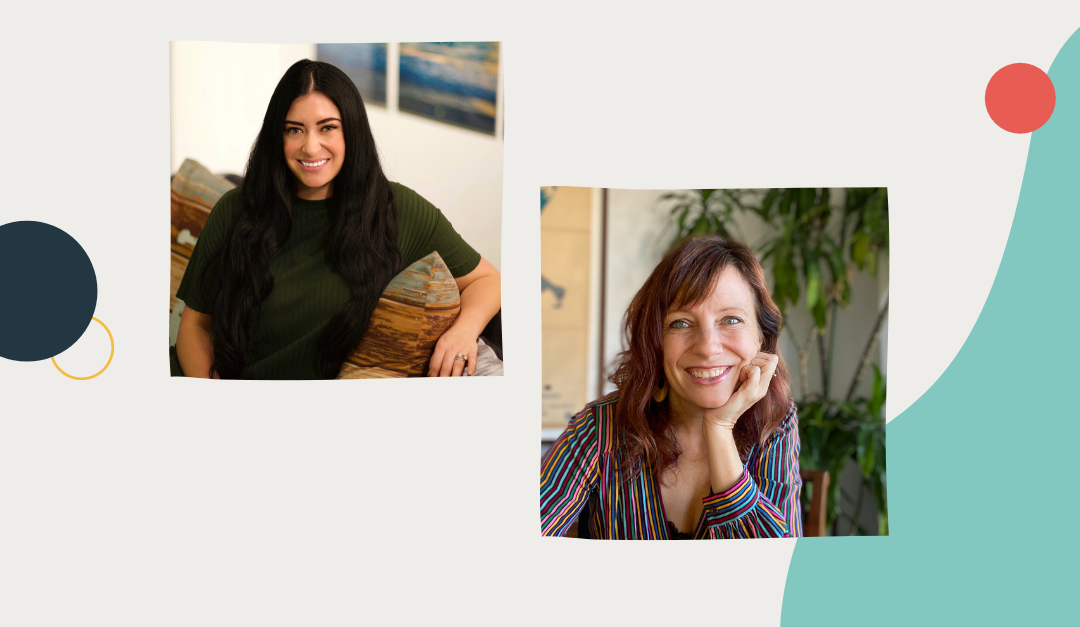
As freelancers, we’re always learning. (Cue “the journey never ends…” quotes.) But in all seriousness, Andrea and Samantha know this first-hand having been on all sides of the freelance journey.
Not only have they been freelancers themselves, and are very familiar with riding that freelance roller coaster, but they’ve also hired freelancers while working in-house. Now they’ve taken all those lessons and turned them into Harlow, an all-in-one freelance tool designed to help freelancers streamline their business and alleviate stress.
Today they’re sharing all their biggest lessons. But, before we jump into the interview, here’s what you need to know about these two freelance queens.
Andrea Wildt has freelanced three different times in her career. She was an early Salesforce employee, the CMO at Campaign monitor, and is an expert in operations and demand gen.
Samantha Anderl was a first-time freelancer after leaving Campaign Monitor, where she was Head of Marketing. She spent four years freelancing before building Harlow with Andrea.
As you can tell, these ladies have a lot of experience to share, so let’s skip to the good part… (All our Instagram Reels junkies know this reference!)
AW: Early on in my freelance career, I would take on almost any project that came my way. I know so many freelancers can probably resonate with this. My ideal client was one who had a job to be done and could pay me! The challenge with that approach, as easy as it was, is that I wasn’t necessarily applying my learnings from one client to the next since they were so different and every project was bespoke.
When Samantha and I founded Interimly, we found that by focusing on a specific type of client, we could deeply immerse ourselves in that stage of growth and bring more to the table for future clients. And this was SO much more fulfilling. While each project still had a very custom deliverable, we deeply understood the stage they were in and the unique challenges that they faced being an early-stage company with high growth targets.
Nailing down an Ideal Client Persona (ICP) like this, rather than just taking what hit our inbox, helped us to create some repeatable processes and frameworks that better served our clients—and us too. If you’re like us, you love processes and this was a big part of creating those juicy workflows.
SA: When Andrea and I first started Interimly, we knew the services we wanted to offer, but weren’t sure about the size of the company we wanted to work with. We had just come from a 200M company and knew we could help an organization of that size, but quickly realized something incredibly important: we didn’t actually want to.
Too many stakeholders made it difficult to get things done and we wanted to be nimble so we could have a greater impact for our clients. So then we went the other direction: working with brand new companies that didn’t have any marketing structure set up at all.
This brought its own set of problems (insert face palm emoji) because we didn’t always have a point of contact or a person on the team who understood the value of marketing or the resources to get things done. If you’ve been there before, you know this makes it very hard to do your best work.
Luckily, we found that our sweet spot was actually right in the middle: working with early-stage companies that had a marketing lead already. This gave us the right point of contact so we were able to have the impact we knew we could.
Overall, we had to learn from projects that weren’t as fulfilling to figure out what an ideal project and client looked like. #Alwayslearning, right?
AW: I learned early on that the best way to make a client happy is to do what you say you’re going to do. It sounds so simple, but not all freelancers (or employees, for that matter) do this. For me, this means being crystal clear in the statement of work about the parameters of the project. Putting everything on paper is key!
Actual deliverables and timelines, along with how and when you will meet with them, should be documented upfront and agreed upon before you start the project. This provides you with a very clear document that you can reference if things start to go sideways and get out of scope. It also acts as a handy reminder to keep you on track!
SA: One thing I had a difficult time with was figuring out the communication channels that worked best for me. With email, Slack, other chat tools, meetings—it can be so overwhelming managing it all! I made the mistake early on of always meeting my clients where they wanted to communicate.
That often meant being in my client’s Slack channel where the expectation was quick and immediate responses at any point during the day—which I was not here for. I had to remind myself that I was in control of my path, and could restructure how and where I communicated with clients based on what worked best for me.
So I shifted to outlining communication channels up-front and discussing expectations with clients so we were aligned out of the gate on where and how we would be communicating.
I also learned easy responses when communication was too frequent or difficult to manage. Phrases like, “Let me get back to you on this” or “This would be more productive to chat through in-person, here’s my availability” became staples.
AW: The biggest learning for me here is that it’s okay if you’re “too expensive” for some clients. Even more importantly, it’s okay to not take every project. Honestly, as you progress in your freelance career, your expertise and value do become greater and that means not everyone is going to be able to afford to bring you on. That’s a good thing, it’s how you grow and scale your business!
I also want to remind you of another important lesson I had to learn: it’s okay to get pushback on pricing. If you don’t get push-back, that probably means you’re not charging enough. (If you’re struggling with this, check out our guide on how to figure out your pricing!)
SA: When we first started out, we charged hourly for our services and that was a nightmare. We had to keep track of our hours closely, and worse, do a lot of justifying around what we were spending our time on.
So we made a big decision in our first year of freelancing to switch over to project-based pricing. What a relief! This switch not only allowed us to sell our value early on—and not fight for our pay by the hour—but it also allowed us to charge more for the services we were offering. And to be honest, we got WAY less push-back!
It may be hard to shift to project-based pricing if you aren’t confident in the value you offer, or are worried about clients fighting it. We totally get that! But we really learned to trust our gut on this.
Remember that pricing is a journey. You may not get it right the first time, but you can always tweak as you go.
P.S. We also created a pricing guide to help you along the way!
AW: I’ll be the first to say, this is not my strong suit! I’m very much a people pleaser and have a tendency to agree to meetings even when they’re not convenient for me, just to make sure the client is happy. (And it’s exhausting!)
Having a child during the pandemic really forced me to create stronger boundaries since I couldn’t be available all the time. A great tool for creating these boundaries with clients upfront is the statement of work that I talked about earlier. Letting clients know when and how to communicate with you upfront really does reduce a lot of the issues with scheduling during the engagement.
SA: I went into freelancing because I wanted more flexibility and greater control of my schedule. Yet my schedule quickly got out of hand when I started freelancing. As I mentioned earlier, I was often letting clients dictate when and where we connected and that left my calendar scattered.
To fix this problem, we started scheduling all of our meetings on one day of the week. This sounds so simple (and it is), but scheduling all our calls on Tuesdays gave me the rest of my week to strategize and execute on client work. More importantly, it gave me space for self-care, and time with friends—more opportunities to truly fill my cup so I could be a better freelancer for my clients and myself.
The best part is that anyone can do this. Try scheduling all of your meetings on one or two days of the week and see how much more you can get done when you have uninterrupted work and free time.
AW: Our business, Interimly, was based largely on referrals and our network. Specializing in early-stage SaaS also allowed us to build relationships with some VC firms that would introduce us to their portfolio companies when they had needs we could solve.
I would also like to stress that a lot of our business came from referrals from other freelancers—the power of community is immeasurable as a freelancer! Creating a mutual referral relationship with your peers can be wildly beneficial.
SA: Don’t be afraid to ask for referrals! We always asked our clients at the end of projects to please recommend us to anyone they knew in their network looking for a similar project. We know this can be so hard to do—cue that squeamish, uncomfortable feeling of asking for something! Trust us on this: it’s worth it. Sometimes you have to remind people to refer you out, and at the end of a project, especially when it ends on a high note, is always the perfect time to do that!
Andrea and Samantha have learned so much during their freelance careers. As we all know, it’s an ever-evolving journey—and there are still plenty more lessons for them to learn along the way. If you want to accompany them as they navigate the ups and downs and turnarounds, follow along on Twitter, @meetharlow, @samanthaanderl, @thelittlestflea, on Instagram, @MeetHarlow and @samanthaanderl, or on LinkedIn, Harlow or Samantha’s profile.

Brooklin Nash is a freelancer, content marketing expert and is in the process of building his own agency. He regularly inspires us on social media, takes us transparently through the ups and downs of freelancing and has mastered the art of clear and simple client communication.
I separate my offering into two buckets: content strategy and content execution. Content execution (writing case studies, articles, and eBooks) is packaged into a monthly rate for a minimum of 6 months, based on the number of deliverables they need. If they just need strategy help, I quote a one-time project rate. If they need both, I typically wrap the strategy work up into the monthly rate quoted above.
I usually ask about three things:
Their current approach to content. (What do they have in place already?)
Their goals with content. (What are they looking to change?)
Their budget for content. (Not just with me, but total.)
Getting good answers in these three areas typically tells me if they’re a good fit. I’m looking to be a long-term partner, not a one-off freelancer.
I send a proposal with the scope of work (number of deliverables each month, strategy work if relevant, and timing) and billing expectations. The combination makes sure there’s no surprises come kickoff time.
It honestly depends on the client and the project. If I’m doing both strategy and execution work for them, we typically have a weekly or bi-weekly check in meeting. If it’s highly project based (e.g. one large guide over the course of 6 or 7 weeks), we usually have a kick off call.
To prepare for the regular meetings, I make sure I’ve accomplished all the pending to dos on my end and make a note of any new questions that have come up. That way, even if we don’t have a formal agenda, we have a clear path forward to what we need to talk about.
Maybe it’s a little juvenile, but I typically just raise my prices by quite a bit, citing the growth of my services. It’s usually only for clients who are highly unresponsive or keep changing the scope of work. That said, I’ve never “fired” a client in the middle of a contract or project.
This sounds like obvious advice, but be proactive! Your clients get busy—you don’t want to be waiting around until the middle of the month to get the briefs they owe you. Check in the last week of the previous month (“just planning out my bandwidth for this next month”) and check up on missing items at least weekly. I’d rather be annoying than let something fall through the cracks and be seen as not doing my work well (whether it’s true or not).
Give Brooklin a follow on Twitter to stay in touch and learn more about Beam!

There are a whole bunch of compelling reasons people are flocking to freelancing. It offers flexibility, autonomy, and a self-made lifestyle that most 9-5s don’t offer. You can set your own schedule, choose your rates, and decide what kind of work you take on and what you say no to.
As awesome as it is, the freelancing lifestyle poses a lot of challenges too. Greater autonomy requires greater self-discipline (and setting your own schedule can be tough). No boss means no benefits. And being solo-dolo means you’re the one responsible for everything. Yes, everything.
When freelancers first start out, they often have a tough time managing their client work and operating the business side. Figuring out pricing and workload can be tough too. The overwhelm of figuring it all out can lead to taking on too much work at once and losing track of your days while you stress over unrealistic deadlines. (Cue diving headfirst into avoidant mode by compulsively editing your logo in Canva for an hour while you watch the clock tick. Oh, just us? K.)
Too much work and not enough time or focus is a recipe for burnout. When you don’t have balance, your whole being suffers, and so does your work. Luckily, it doesn’t have to be that way. Here are some freelancer-backed tips on how to avoid burnout, from setting boundaries to taking vacay.
Some of us think we’re really good at estimating how long tasks will take us to complete. Some of us don’t estimate at all (screaming emoji). Some of us tend to think we’re speedier than we actually are.
And most of us don’t actually account for the proofreading, the research, the Google troubleshooting rabbit holes, or the mental blocks that take up precious time. So when you’re planning out your next project, be sure to spend some time realistically scoping out your tasks and then add some additional cushion. If you think it’s going to take you 30 min, give yourself an hr. Give yourself room for creative thinking without being rushed to deliver.
That leads us to the next biggie: Be generous with your ETAs. It’s always better to underpromise and overdeliver to your clients. If the date you’re typing up is sending a shiver down your spine, it’s probably too soon. If you’re scrambling to move other commitments around so you can make the deadline you set for yourself, it’s definitely too soon. Give yourself a break. And if a client asks for an unreasonable deadline, push back.
Building healthy habits into each workday ensures you’re doing the big and little things for yourself that keep you healthy and happy. And when you’re thriving, so is your work. Try adding events to your calendar for you-time. Schedule a walk. Carve out time to read or listen to your favorite podcast. Pick up the phone to chat with a friend rather than clocking another 30 minutes. Plan your work days around your meals and workouts rather than the other way around.
Watching out for common signs of burnout can help you get ahead of a total meltdown. If you’re experiencing more stress and irritability than usual, you’re having trouble sleeping, or you’re having nightmares about projects and clients, you may be pushing too hard. As difficult as it is to step back when you’re on a roll, it’s the best thing for you (and your loved ones). Take a beat to rest and identify what’s causing you stress or anxiety. Just checking in with yourself regularly can make a huge difference.
When you don’t have paid vacation time and sick leave, the idea of taking time off can be scary. You’re the only person steering this ship. Will it crash when you step away? Answer: Probably not. Unless you’re doing life-saving work, chances are, you can stand to take a few days off for yourself. We’re all human, and we need time to rest and recharge, especially when we’re wearing multiple hats and supporting ourselves financially. If you have the means, be sure to take the time you need.
We know how tough it can be to prioritize yourself when you have a million and one tasks to cross off your list, both professionally and personally. But the best way to keep your business afloat is to nourish the person running it (You!). Once you understand how to avoid burnout as an entrepreneur, you can put the self-care practices into place that will support you for many years to come. So open up that calendar app and schedule the massage. You earned it.
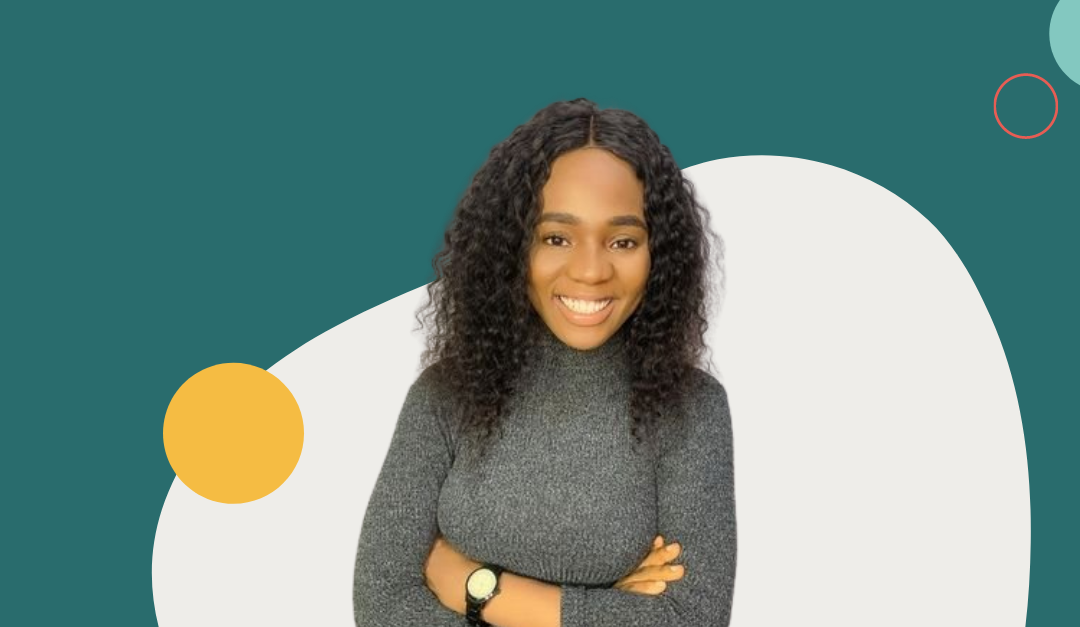
Rosemary Egbo is a content marketing manager, writer, and strategist with experience in online and print media. Her Twitter community has helped her land some of her most successful projects, and she shared some tips with us on maximizing the platform.
I wanted a wider reach and a new audience. For three years I used LinkedIn as my main source of lead generation. One day, the thought of my LinkedIn account getting suspended crossed my mind.
Then it dawned on me that I willed so much power to a single platform I had no control over. I needed another platform for lead generation and community, so I decided to try Twitter.
I noticed the client was looking for a content writer on my timeline, and I quickly sent him a DM. He asked for a few of my published samples, which I sent.
He later referred me to their Head of Content who set up a discovery call. After the discovery call, a contract was sent, and that was how I became a part of their team. That easy!
I’ll be honest — I literally don’t have a process. I tweet whatever comes to my mind. I’m more of a spontaneous social media content creator.
I plan my Twitter threads for cohesion, but not all the time. My unplanned threads tend to perform better than my planned thread.
I just go with the flow. 😉
The most difficult part is showing up every day — making time to create my own content along with clients’ projects.
Sometimes I want to postpone it, but I tell myself that consistency is the ultimate recipe in building an online brand.
I get tons of benefits, but here are a couple:
1. Insightful tweets from seniors in the industry: I have a notebook where I write down most of the things I learn on the platform. The Twitter community is a great source for expert quotes, too. I love to weave them into my content.
2. Strong support system: Sometimes I get exhausted, and tweets from my community encourage me. They make me feel like I’m not alone. On weekends, I host a Twitter Space — Freelance Tales. It’s Twitter Space where freelancers across the globe get to share their wins, losses, mistakes, strategies and tips. Believe me when I say that those Spaces have been insightful and impactful.
1. Follow these three sets of people:
2. Focus on creating valuable content
3. Don’t let low engagement deter you. Engagement will come, it always does.
4. Stay consistent.
Follow Rosemary on Twitter to get inspired and kick off your social presence.

We’ve been hearing the same question again and again from our community: How do I balance a full-time job with part-time freelance work?
People pick up freelance gigs on top of their day jobs all the time, for a variety of reasons. They might need or want the extra income, or they’re easing into full-time freelancing gradually, or they’re just looking for a creative side gig that pays.
Whatever the reasoning, people who decide to do both all face one shared challenge: managing their time effectively. Here are some pro tips and tricks for successfully freelancing as a FTE.
So… why am I really doing this? It’s a question we should all ask ourselves before jumping headfirst into any venture. Do you have a vision for your freelance future? Is it to go full-time eventually? To pad your income? Are you looking to shift careers or industries? Or do you just want to build up your resume beyond your day job? Getting clear on your goals will help you determine how much time you can and should truly dedicate to your side hustle.
You’re trying to get a lot done. And most of us are really bad at guessing how long our work will take us. We tend to underestimate… like, a lot. Plus, switching focus between tasks on the reg absolutely kills productivity. So to avoid getting caught in the cycle of doing everything and finishing nothing, we recommend creating clear boundaries around your freelance work—and always estimating UP. You can experiment with productivity hacks like time-blocking, dedicating a chunk of hours each day or week to one specific task or project. It makes a huge difference.
Let your freelance clients know when and how they will hear from you. And if your response time might be impacted by your full time gig, share that too. When it comes to client communication, the best practice is to set crystal clear expectations from the beginning of a project or work relationship. But it’s never too late to clarify. So if you find yourself worrying regularly about delays, it might be time to set new boundaries and expectations.
In addition to underestimating, we tend to overpromise. Of course, you want to do incredible work incredibly fast. And your clients probably want that too. But we’re all human here. Make sure you’re not spreading yourself too thin, saying yes to deadlines and deliverables that just won’t work.You may need to move things around, and that’s okay, as long as you clearly communicate changing needs to your clients.
Look, we’ve all done it. We’ve prioritized another hour of work over a long bath. We’ve missed hangs with friends because of deadlines. And we’ve eaten meals from our desks to attend meetings that really. didn’t. matter. But we don’t take pride in it—not even the ability to skillfully mute while chewing—and we definitely try not to make a habit of it. Doing good work and making extra money is great, but not at the expense of your physical or mental health. Those come first. Make sure you can maintain a balanced lifestyle. Decide what that looks like for you, and then reverse-engineer it from there.
Whether you’re full-time or part-time freelancing, having a community is always a good thing. Your connections give you the space to bounce ideas and thoughts off of people who get it. And having peers who face the same struggles is incredibly affirming. We highly recommend joining a freelance community. There are loads of specialized ones out there that offer support, connection, and resources to help you thrive in your work. Find your people.
If you notice yourself spending more and more time on the same repetitive, manual admin tasks and wondering why you can’t get more of the real work done, it might be time to audit your systems. Having the right business tools in place can automate or even eliminate the mind-numbing activities that soak up your precious time when you’re already balancing so much. If you plan to freelance steadily (full time or as a side gig), then at a minimum, you should have solid freelance software to back you up. And hey—we can help with that. 😉
With Harlow, you can create proposals and contracts, track your hours, invoice your clients, and keep tabs on all your to-dos and client updates. You always have a full scope of your work, in one easy-to-navigate dashboard. So if you’re the kind of person who wants to do it all, but you know you need support managing your workload… and you want to accomplish a lot but also feel like a human… we’ve got you. Start a free trial to give it a go.
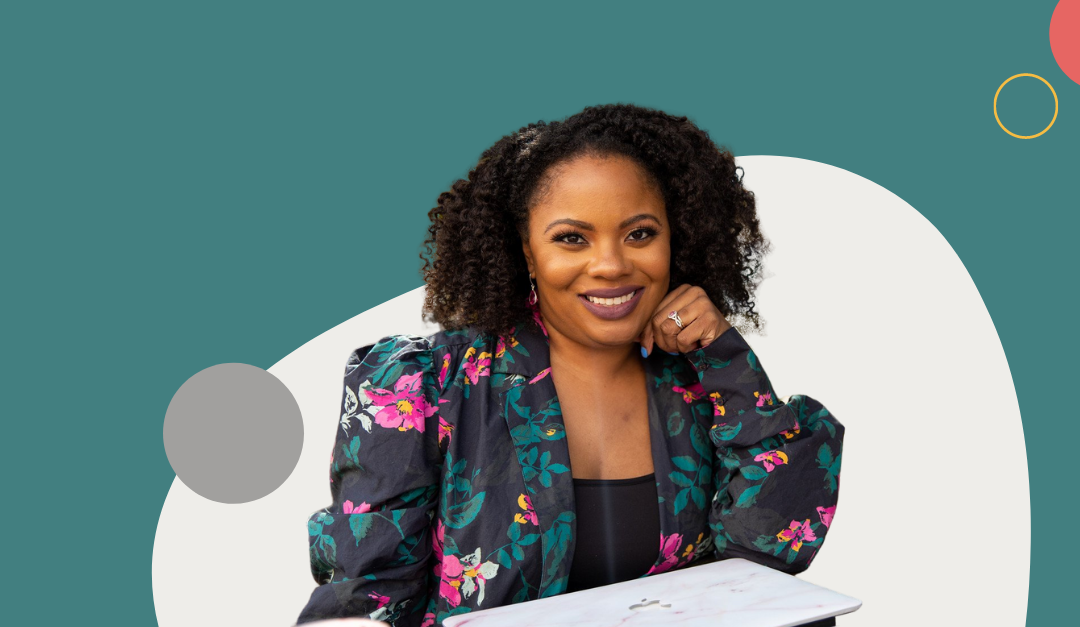
Adrienne Sheares is an award-winning social media marketer and the owner of ViviMae Labs, a data-driven social marketing consultancy. She has over a decade of experience and a track record of delivering impressive work for clients like Issa Rae, AARP, and Discovery.
Despite her demanding schedule, Adrienne manages to prioritize her OOO time. She shared her perspective on the importance of work-life balance and some pro tips on taking time off without shutting down.
Yes! I’m a creative person, but my creativity starts to wane when I’m stressed out. I’m not a robot; I need time to enjoy life. Taking time off is essential for me to recharge. I notice that I’m more thoughtful and excited about my work when I come back.
Sometimes if I feel myself taking too long to complete basic tasks, I’ll give myself a three-day weekend. Taking time off to get ahead might seem counterproductive, but I find myself flying through my to-do list after getting proper rest.
I’ve worked with clients who have team members who never take off for the “good of the company.” But their sacrifice didn’t really help the company. They were making silly mistakes and weren’t producing their best work—you could tell they were running on fumes.
I generally take four weeks off a year. I take a lot of mini-vacations attached to weekends to get the most time off without having to miss too many workdays. Thursdays through Tuesdays are my jam.
This year, I’m being more strategic with my time off. Before, I treated all time off the same. This led me to burn out a lot, especially last year. Not all time off is created equal. For example, while fun, family time is not very relaxing for me. My mom will have me running errands, teaching her things on the computer, and helping her out around the house. Being a bridesmaid in a destination wedding is also not very relaxing, nor is getting your home organized. So this year, I’m separating the two. One category is life obligations, and the other is relaxation. That way I can make sure I’m getting enough rest.
I’m testing out just taking time off and not doing anything, including travel, since that can be stressful as well.
I’m a big planner, so I generally plan my year out in advance. Of course, I don’t plan every little vacation, but things like weddings, graduations, and big vacations serve as the anchor that I plan around. From there, I block off my calendar.
My clients are excellent, and as long as work gets done or I give them an alternative deadline and notice, they’re fine—and very happy for me.
Honestly, nothing. I just worked ahead and took off and enjoyed.
Not always. I take three different types of vacations as a freelancer. 1) Working Vacation 2) Part-Time Vacation 3) Unplugged.
Working Vacation
The first I wouldn’t really call a vacation. My work schedule stays the same, but I have a change of scenery in a place like Florida. I do this when I have a family gathering or a friend’s wedding out of state and I don’t necessarily want to take time off. Flights are typically cheaper if you travel mid-week so I’ll work in a different and hopefully more tropical location. I’ll also take a long lunch to enjoy my new surroundings during the day.
Part-time Vacation
I’m still working but not full-out. For example, my family rented a beach house for a week. I didn’t want to take a week off, but I also didn’t want to miss out on the fun, so I worked in the mornings the first half of the week and then took completely off for the second half. That way, I could get some work done, but have family time and rest time.
Unplugged
I do this once or twice a year. I’m unreachable and don’t even bring my laptop. My clients know in advance, and if need be, I work ahead or have a backup if the project requires it. I will spend a few weeks in South Africa for my postponed honeymoon this year. I cannot wait and will be completely unreachable.
There’s never a good time to take time off, so just do it. Also, consider partnering up with other freelancers if you want to have coverage while you’re out. My clients mean the world to me, so I don’t want just anyone helping me. I generally work with other freelancers months before I need to take off so I can feel good about unplugging.
The first time I did this was during the pandemic in May 2020. My wedding had to be postponed due to shutdowns, so I opted to get married in my living room and took a few days off to celebrate. That was around the George Floyd murder. I knew my client had content scheduled that would not be appropriate given the current events unfolding. I frantically logged on to Slack to tell my client to stop all social media—but I didn’t have to. I saw the freelancer I hired for the project had beaten me to it. I logged off and went back to my honeymoon in my living room.
Give Adrienne a follow on Twitter or check out ViviMae Labs to connect with Adrienne.
Recent Comments